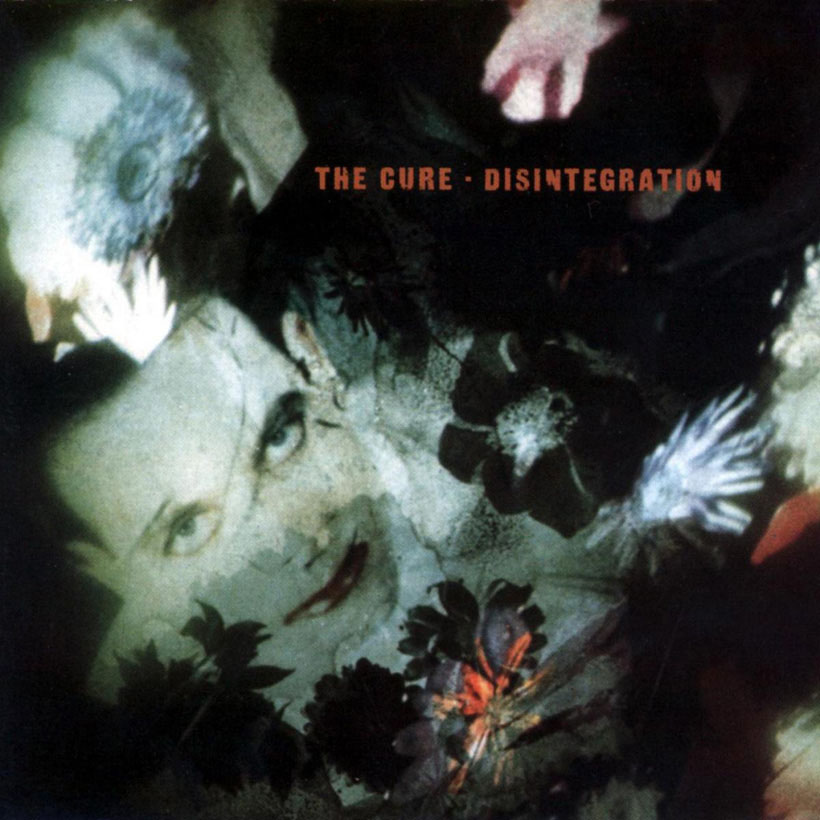
First of all, happy 64th birthday to Robert Smith! The Cure is one of those unique mainstream groups that manages global crossover appeal while maintaining their own distinct identity. While “psychedelic” may not be the first term one thinks of when it comes to The Cure, their 1989 masterpiece Disintegration certainly fits the bill, and I’ll tell you why.
While murky and ominous, the sounds on Disintegration are also expansive and varied; piercing cold gives way to towering waves of glimmering swoon. Titanic bass anchors strident pop grooves against a backdrop of watery guitars, shimmering synths, and surging drums. The main constant here is that the record has an absolutely massive sound, at times propulsive and turbulent, at others pensive and gloomy. It’s a rainy afternoon looking out your window, it’s the purple midnight sky in winter, it’s melancholy at its finest.
The album’s warped, far-out, larger-than-life sound can be attributed to two things regarding Robert Smith: his dislike of The Cure’s major success, and his subsequent relapse into the use of hallucinogens. You can feel the effect these drugs had on Smith in the echoes, valleys and deep-water canyons of Disintegration.
If you’ve somehow not heard this stone-cold classic by this point, today is as good a day as any to dive in! It’s a nice rainy day here in central Illinois, and even though I listened while walking over my lunch hour, I will probably have to give it another spin on the bus ride home. Please enjoy!
No responses yet